

Table of Contents
- What Makes a Hot Wheels Car Rare and Valuable
- How to Identify Rare Hot Wheels: 7 Checks That Confirm Value
- Most Valuable Hot Wheels Models of All Time
- Where to Find Rare Diecast Models: Sources Ranked by Risk
- Condition, Packaging, and Provenance: What Actually Holds Value
- Storage, Preservation, and Investment Strategy for Rare Hot Wheels
- Conclusion
- Frequently Asked Questions
Last Updated: September 27, 2026
What Makes a Hot Wheels Car Rare and Valuable
Rare Hot Wheels come down to three things: how few were made, how they were finished, and whether they survive in original condition. At childrenstoycloset.com, we handle numbered Red Line Club releases daily, scarcity drives demand, and demand holds value only when the car survives intact.
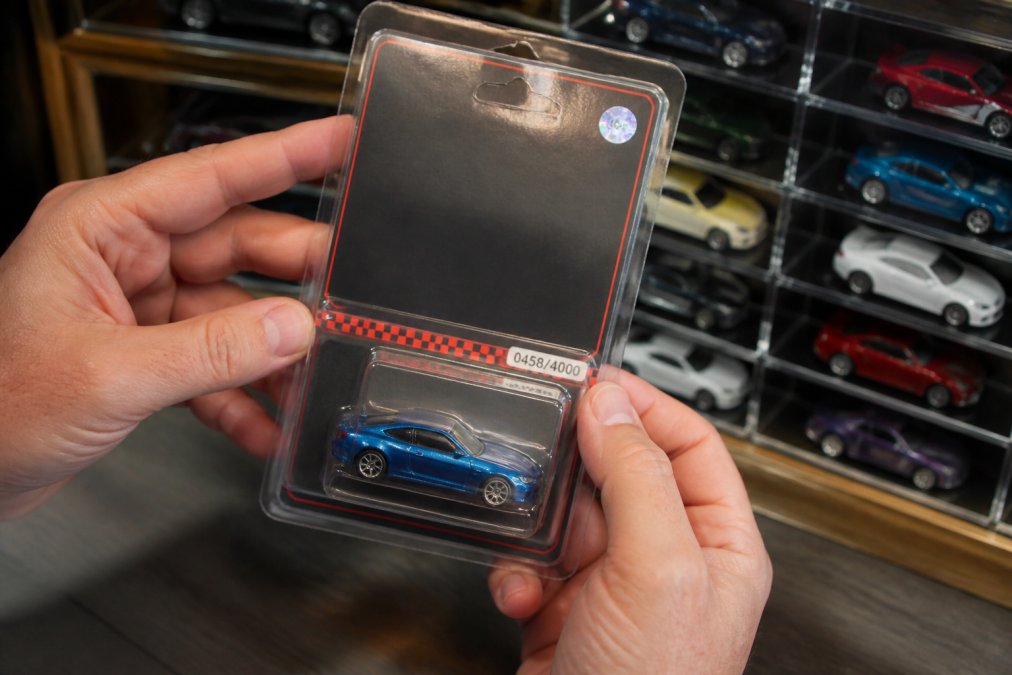
Production Numbers and Numbered RLC Releases
Numbered releases are the clearest scarcity signal in the hobby: each piece carries its production figure stamped on the packaging or base plate, so a car numbered 1,362 of 4,500 is verifiably one of 4,500.
Spectraflame Paint, Real Riders Wheels, and Tampos
Spectraflame paint is a translucent candy lacquer that lets the diecast metal beneath show through, creating depth standard paint can't match. It defined the late-1960s redlines and remains the collector gold standard.
How to Identify Rare Hot Wheels: 7 Checks That Confirm Value
Identifying rare Hot Wheels takes seven checks, run from the base plate outward. Skipping any one is how collectors pay premium money for a common car in a fancy package.
- Read the base plate. Country of manufacture, casting name, and copyright year appear here, and stamp variations are a primary rarity marker. Compare font weight and spacing against a known-original; restamped bases show softer lettering.
- Check the wheels. Real Riders rubber versus plastic, plus any wheel variation within the same casting. Reproduction wheels frequently lack the original mold seam on the hub.
- Inspect the interior color. Interior variations are a recognized rarity category, but interiors are the easiest part to swap. A mismatched interior is a red flag, not a variant.
- Compare the glass color. Tinted versus clear windows can indicate different production runs. Glass sitting proud of the body or showing glue haze is usually a reseat.
- Examine the tampos. Look for misalignment, missing graphics, or reversed decals. Original tampos sit flush under the clear coat; aftermarket decals sit on top and catch light differently.
- Verify the production number. Numbered releases should match their stated run. Cross-check the packaging stamp and, for RLC pieces, the club's release records.
- Confirm the packaging. An intact, unbent card supports a higher grade, but only if the blister is factory-sealed. Re-glued blisters show clouding at the edges and a faint adhesive ridge.
Wheel Variations, Interior Color, and Glass Color
Wheel variations are the most documented rarity category in the hobby, and the most misunderstood. A casting that shipped with two wheel types creates two distinct collectibles, neither is a defect, and collectors track them separately.

Manufacturing Errors, Prototypes, and Chase Cars
Manufacturing errors split collector opinion. A missing tampo or inverted base plate can command a premium from error specialists, while mainstream buyers see damage. Know your market before assuming a flaw adds value.
Authentication: Spotting Counterfeits, Restomods, and Reproductions
This is the step most guides skip, and it separates a serious collector from a hopeful one. The rare Hot Wheels market has three authenticity problems.
Professional Grading: What AFA and CAS Actually Do
When the stakes are high enough, serious collectors send cars to a third-party grading service. The two names most referenced in the diecast hobby are AFA (Action Figure Authority) and CAS (Collector Archive Services), both of which grade diecast and sealed collectibles on a numeric scale and encapsulate the item.
Most Valuable Hot Wheels Models of All Time
The most valuable Hot Wheels models share a profile: limited production, premium finish, and a nameplate collectors already care about. The table below covers representative Red Line Club pieces, with the production numbers that drive their standing.
| Model | Production Run | Price | What Drives Value |
|---|---|---|---|
| BRE Datsun 240Z | #1362 of 4,500 | $175 | Iconic motorsport livery, Real Riders |
| '72 Ford Gran Torino Sport | 1320 of 3,500 | $140 | Blue Spectraflame, muscle car nameplate |
| Custom '66 GTO Wagon | #2,080 of 4,000 | $120 | Rarest GTO body configuration |
| Bone Shaker | 3874 of 10,442 | $80 | Cornerstone Hot Wheels original casting |
| '67 Camaro w/ Blue Stripes | #1 of 10,000 | $70 | First numbered piece in its series |
| HiWay Hauler | #4931 of 5,500 | $70 | Beloved big rig casting, RLC exclusive |
| Customized VW Drag Bus | 3529 of 13,775 | $40 | Fan-favorite casting, larger run |
| Neo-Classics School Busted | #1690 of 2,000 | $30 | Smallest run in the Neo-Classics series |
| Real Riders Series 13 Breakaway Bucket | #1565 of 3,000 | $25 | Ultra-limited Real Riders release |
| Real Riders Series 8 Purple Passion Woodie | #4795 of 8,500 | $25 | Woody styling, collector-grade tampos |
Where to Find Rare Diecast Models: Sources Ranked by Risk
Where to find rare diecast models matters less than how much risk you'll absorb. Every source sits on a spectrum between verified and anonymous, ranked here from lowest risk to highest:

- Specialist retailers with factory-sealed shipping. Lowest risk. Condition is documented before dispatch.
- Collector club direct releases. Low risk, but you must be a member and buy within the window.
- Trade shows and conventions. Moderate risk. You inspect in person, but provenance is verbal.
- Online auctions. Higher risk. Photos hide flaws and returns are often refused.
- Peer-to-peer marketplaces. Highest risk. No grading standard, no recourse.
Condition, Packaging, and Provenance: What Actually Holds Value
Condition is where value is protected or destroyed, and packaging is half that equation. A car in a clean blister pack with an unbent card grades higher than the same car loose, even when the car itself is flawless. Packaging grade is a recognized evaluation category, not an afterthought.
Hot Wheels RLC Redline Club Real Riders →
Storage, Preservation, and Investment Strategy for Rare Hot Wheels
Storage and investment strategy are the two areas most collectors neglect, and where the real money is lost. Cars kept in a hot garage or damp basement degrade quietly, paint fades, cardboard warps, rubber tires react with certain plastics. None of it is visible until you try to sell, and by then the loss is permanent.
What Actually Degrades a Diecast Car
Understanding the failure modes is the difference between preservation and guesswork. Four mechanisms do most of the damage:
- UV exposure. Ultraviolet light breaks down pigments in Spectraflame and other translucent finishes, causing fading and a dull, chalky surface, and yellows cardboard while accelerating blister breakdown. The damage is cumulative and irreversible.
- Heat cycling. Repeated expansion and contraction of the metal body against the paint causes fine cracking and, over time, flaking. Attics and garages are the worst offenders.
- Humidity and moisture. Damp air corrodes the zinc-alloy base plate and can lift decals. Basements are the classic trap, stable temperature but persistently high humidity.
- "Diecast rot" and paint bubbling. Zinc-alloy castings can develop intergranular corrosion over decades, producing a gray, powdery surface and bubbling under the paint. Driven by alloy impurities and accelerated by moisture and temperature swings, it cannot be reversed, only slowed. Rubber tires can also react with certain plastics and leave sticky residue on the body or card, so long-term storage in the original blister is not automatically safest.
Archival Storage: Materials and Setup
The goal is to control light, temperature, humidity, and contact materials. Concrete steps that actually matter:
- Keep cars out of direct sunlight and away from fluorescent fixtures. UV-filtering display cases and window film help, but the simplest fix is a room with no direct sun.
- Target a stable climate. A living-space closet beats a garage, attic, or basement, stability matters as much as the absolute number.
- Use acid-free backing and archival boxes for carded pieces. Ordinary cardboard and cheap plastic sleeves can off-gas and migrate acid into card stock, causing yellowing and brittleness.
- Choose inert plastics for loose storage. Polypropylene and polyethylene are generally safe; PVC and some vinyls can off-gas and react with paint and rubber.
- Handle by the base, never the body. Skin oils and salts etch Spectraflame and dull chrome, so cotton or nitrile gloves are standard for high-value pieces.
- Keep original packaging intact. Every tear, crease, and price sticker is a grade deduction.
- Separate problem pieces. If a car shows early signs of diecast rot or tire residue, isolate it so the problem doesn't spread through shared storage.
Investment Strategy: Building a Portfolio, Not a Pile
Rarity alone doesn't guarantee appreciation. A car appreciates when supply is fixed and demand persists, and numbered club releases fit that profile better than mainline cars because the run is capped and documented. But "buy rare cars" is not a strategy, it's a starting point. Serious collectors think in four variables:
- Liquidity. How quickly can you sell without discounting? Numbered RLC releases with a known collector base are more liquid than obscure regional variants, even when the variant is technically rarer. A rare car nobody searches for can sit for months.
- ROI and entry price. Return depends heavily on what you paid. Buying at retail from a club release differs from buying at peak secondary-market prices, and the strongest returns come from pieces acquired at or near original release, held through at least one full market cycle.
- Market cycles. The diecast secondary market moves in cycles tied to broader collectibles sentiment, new franchise releases, and the hobby's membership base. Prices can swing significantly over a few years without any change in the car itself, and buying into a peak is the most common way collectors overpay.
- Concentration versus diversification. A focused collection of one casting or series can be more valuable and liquid than a scattered pile, because specialist buyers pay premiums for depth, but one bad segment can then hit the whole collection. The right balance depends on whether you collect for enjoyment, resale, or both.
Conclusion
The hard part of collecting isn't finding rare Hot Wheels. It's confirming that what you're buying is genuinely rare, in the condition the listing claims, and sealed well enough to survive the trip. Most disappointment traces back to a condition problem, not a scarcity problem.
Frequently Asked Questions
What makes a Hot Wheels car rare and valuable?
Three factors decide it: production run size, condition, and collector demand. An RLC release numbered out of 2,000 to 3,000 pieces sits at the rare end, while a mainline casting made in the hundreds of thousands does not. Add a desirable casting, clean tampos, and intact packaging, and value climbs further. Numbered Redline Club pieces such as the Neo-Classics School Busted (#1690 of 2,000) show how scarcity and finish quality combine into genuine collector value.
How can I tell if my Hot Wheels are worth money?
Start with the base plate: it shows the casting name, year, and country of manufacture. Check for wheel variations, interior color, glass color, and Spectraflame paint, since these separate a valuable example from a common one. Then confirm the packaging grade. A carded car with an uncreased blister pack sells for more than the same car loose. If a piece is numbered, the production figure on the packaging is your strongest value signal.
Where is the best place to buy authentic rare Hot Wheels?
Specialist retailers that ship factory-sealed stock remove the biggest risk in this hobby: repackaged or resealed cars. Auction sites and marketplace listings can work, but you carry the authentication burden yourself, and scalpers often inflate prices on newly released RLC pieces. Buying from a dedicated diecast retailer means the car arrives sealed, numbered, and protected, which matters most for investment-grade purchases.
Are factory-sealed Hot Wheels more valuable?
Yes, in most cases. A sealed blister pack or box protects the paint, tampos, and wheels from handling damage, and it proves the car has not been restored or swapped. Packaging grade is now a standard part of condition reports, and carded examples routinely outperform loose ones of the same casting. For numbered RLC releases, keeping the car sealed preserves both the production number and the original presentation.
What are Redline Hot Wheels and why are they expensive?
Redline refers to the original 1968 Hot Wheels cars with red-striped wheels, and the name now extends to the Red Line Club (RLC), the brand's membership program for limited releases. RLC cars are produced in strictly limited, individually numbered runs, often between 2,000 and 13,775 pieces, and they use premium finishes such as Spectraflame paint and Real Riders rubber tires. That combination of low production numbers and premium specification drives secondary market prices.